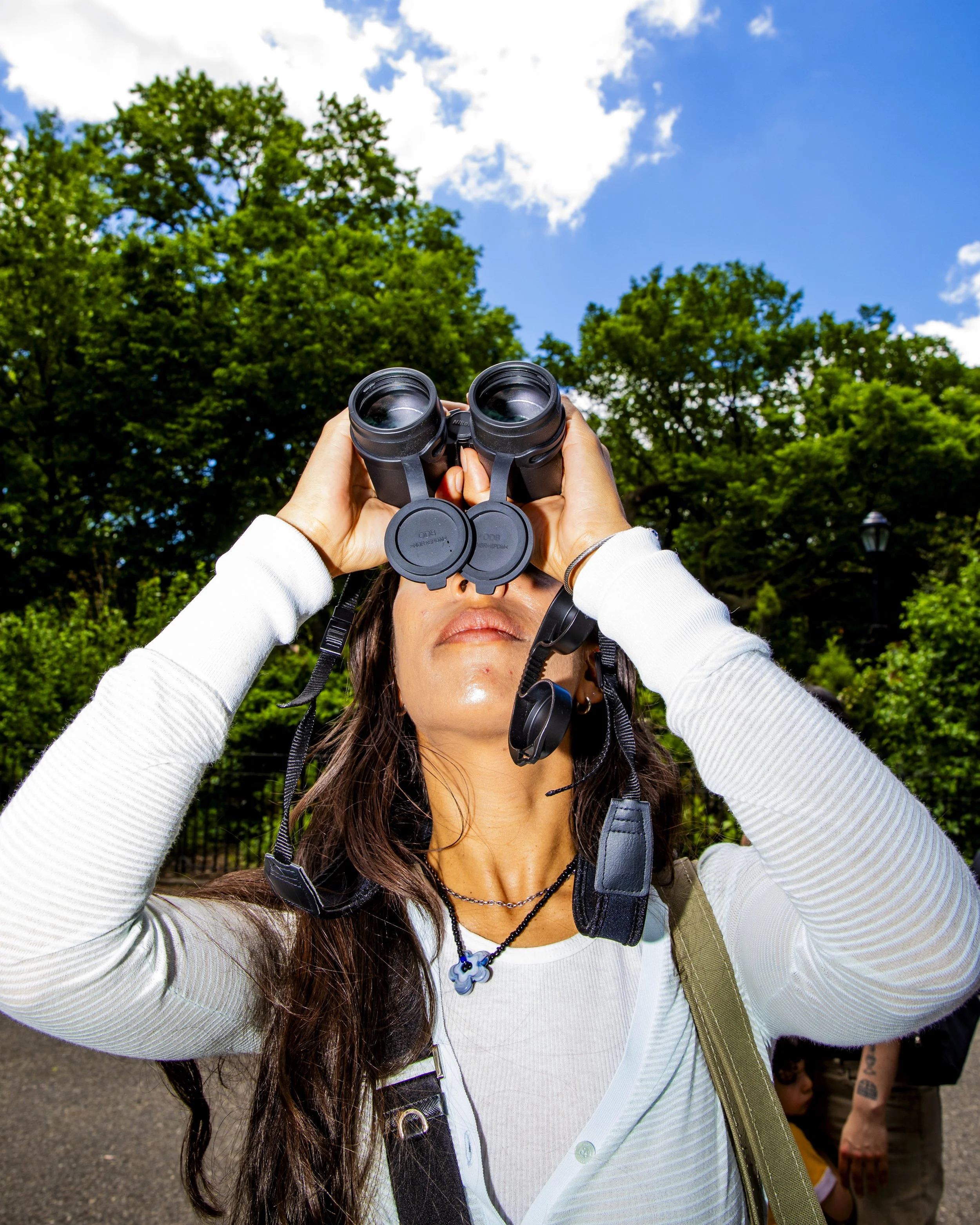
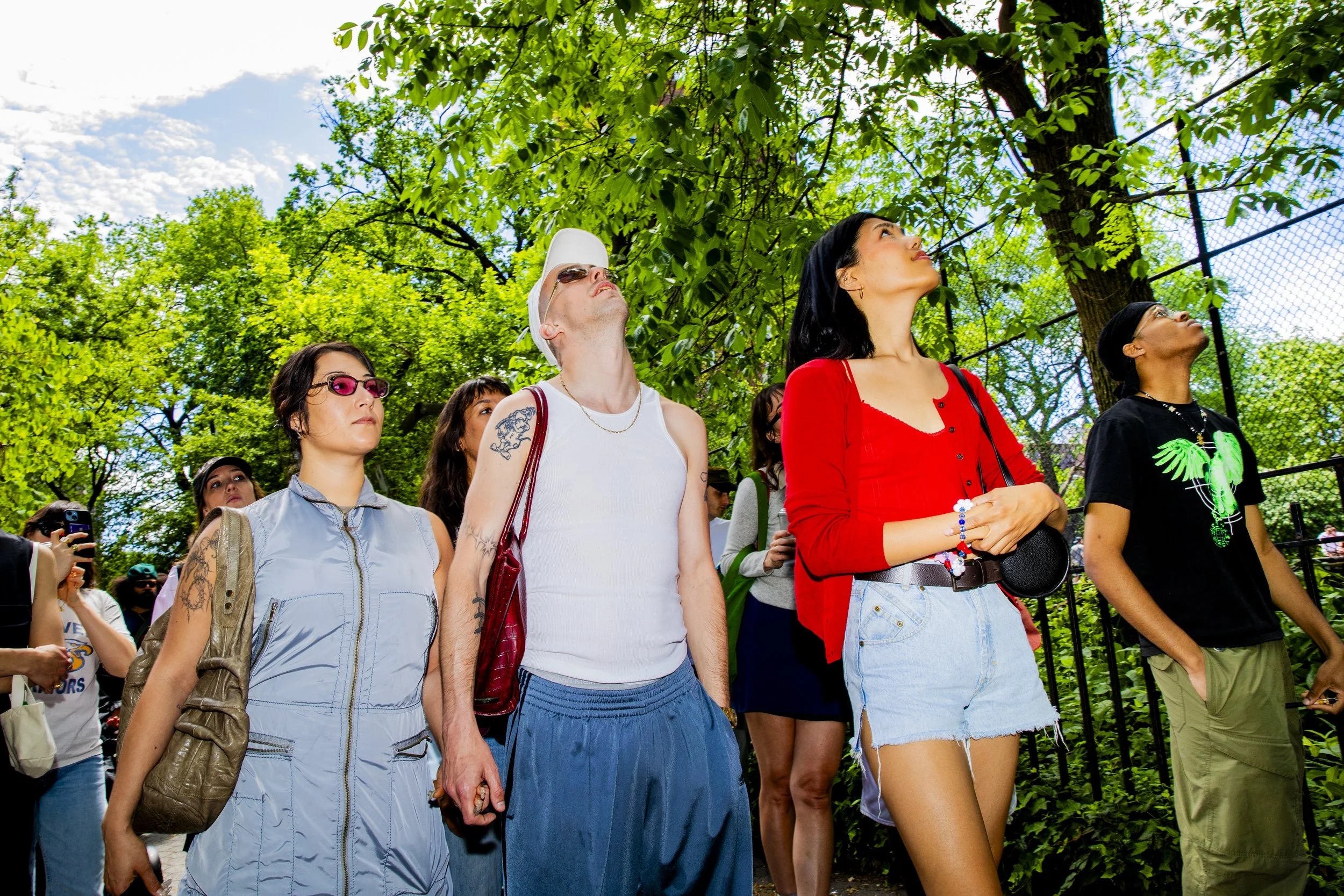
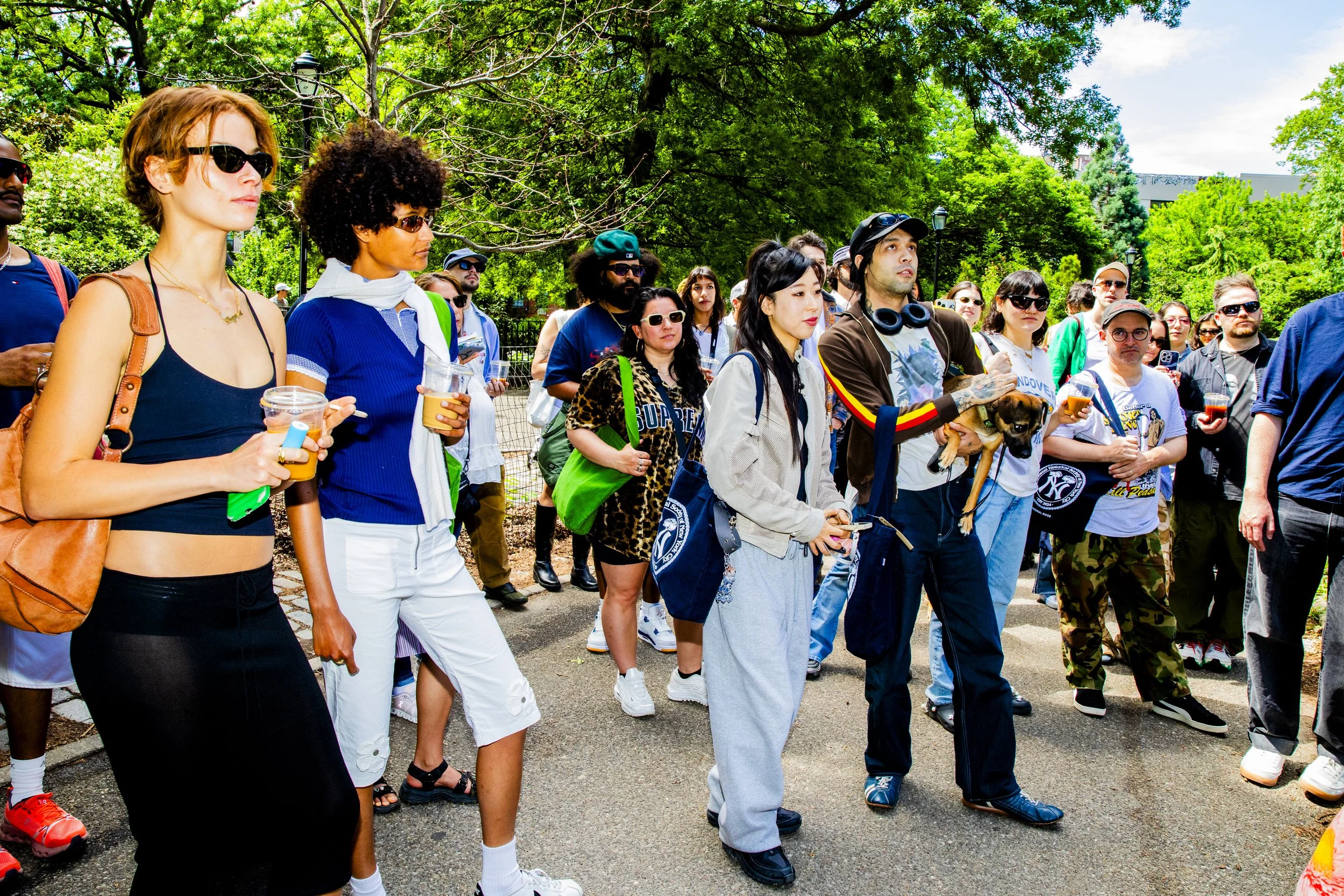
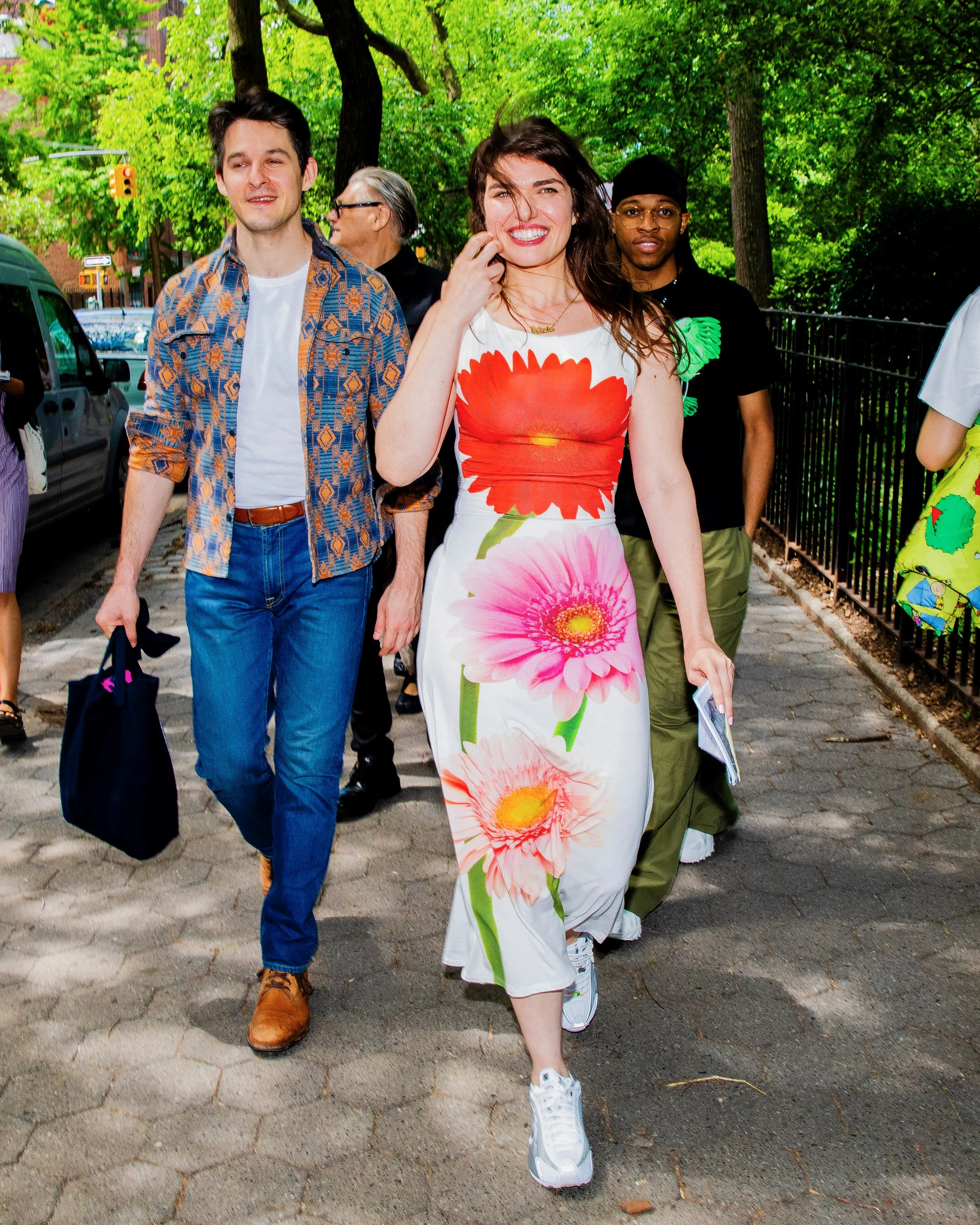
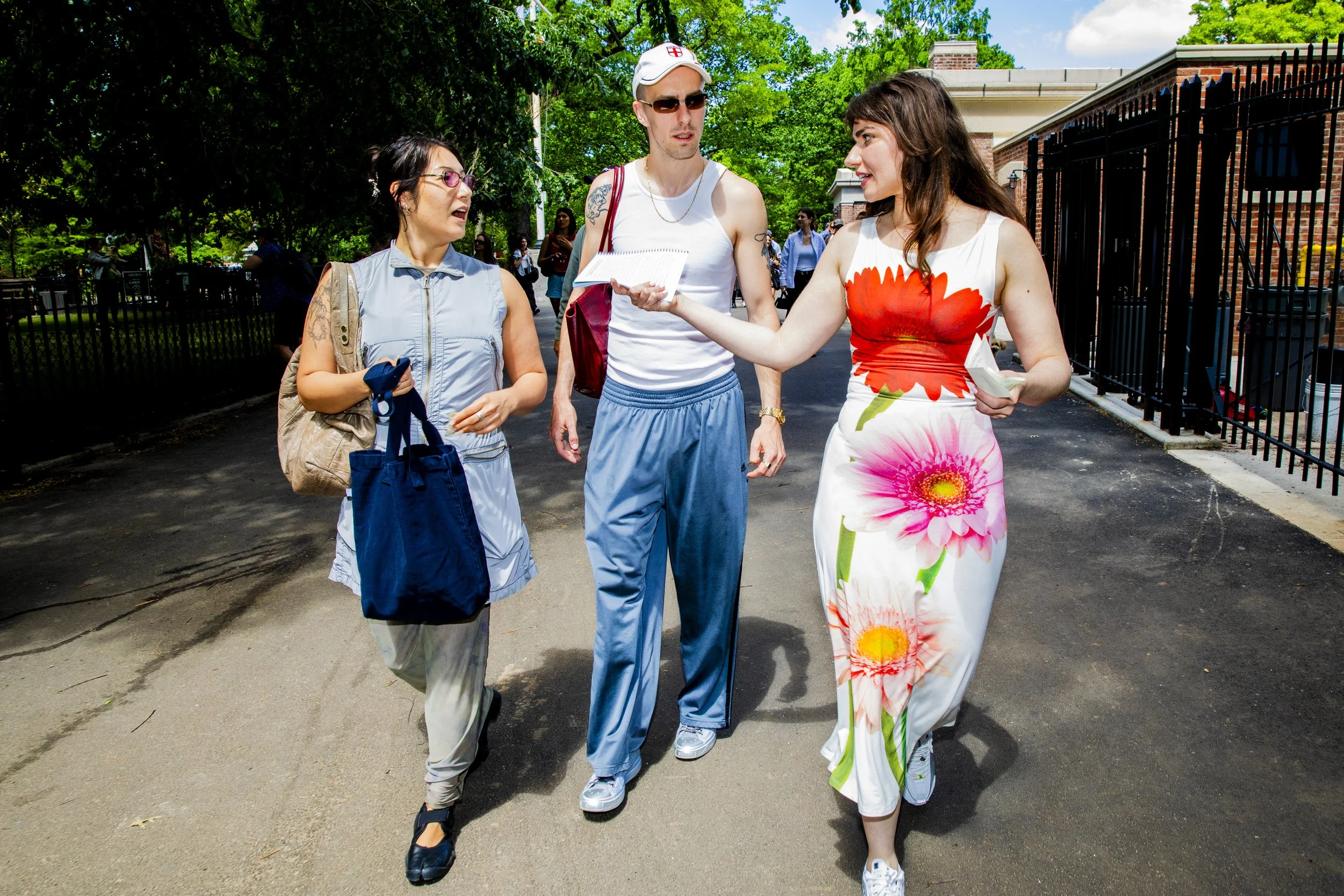
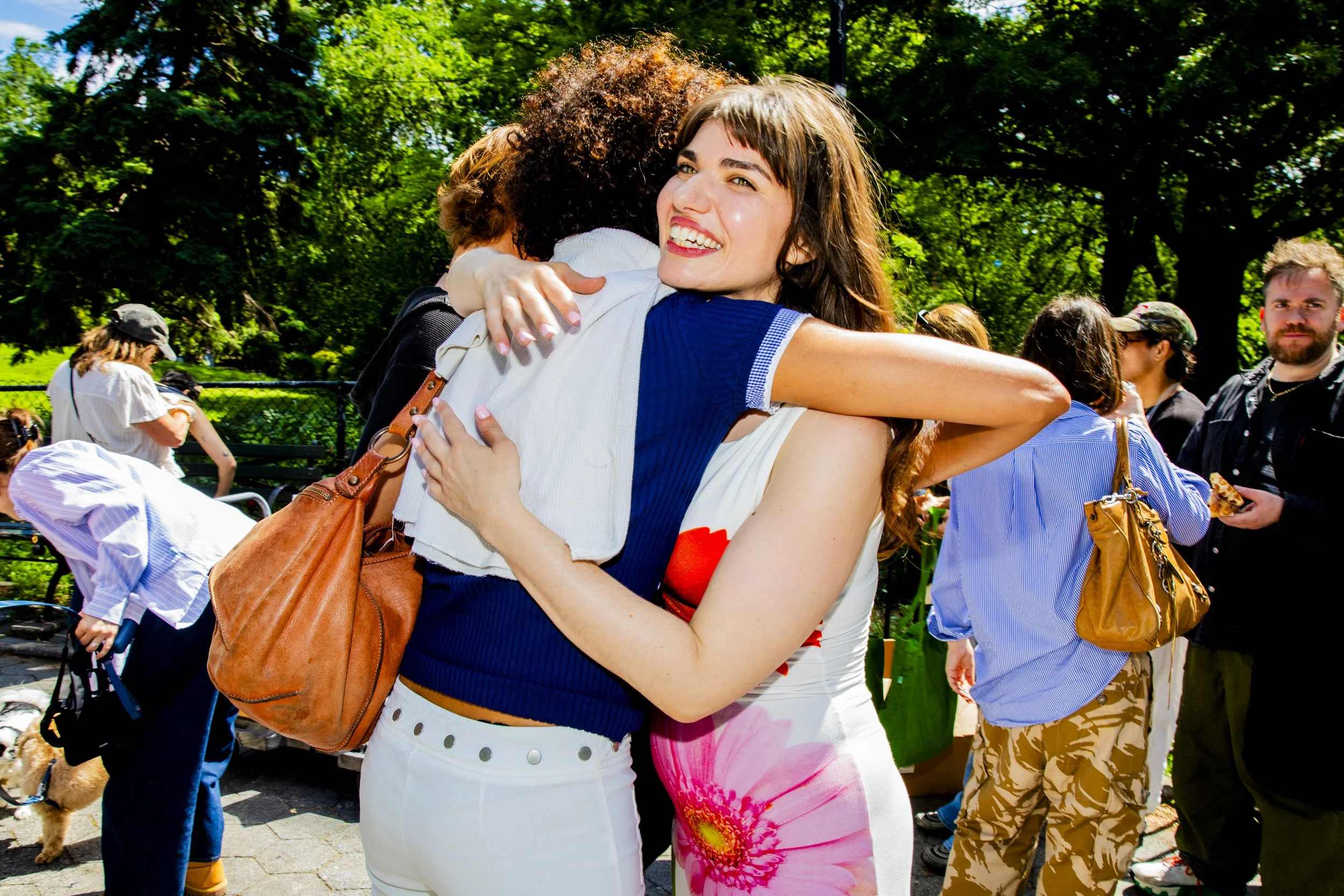
A guided walking tour centered on the botanical, social, and political history of Tompkins Square Park. The walk mapped the park’s tree canopy in real time, highlighting some of the oldest trees in New York City while situating them within broader historical use of the site, including its role as a Civil War encampment, protest ground, and long-standing public commons.
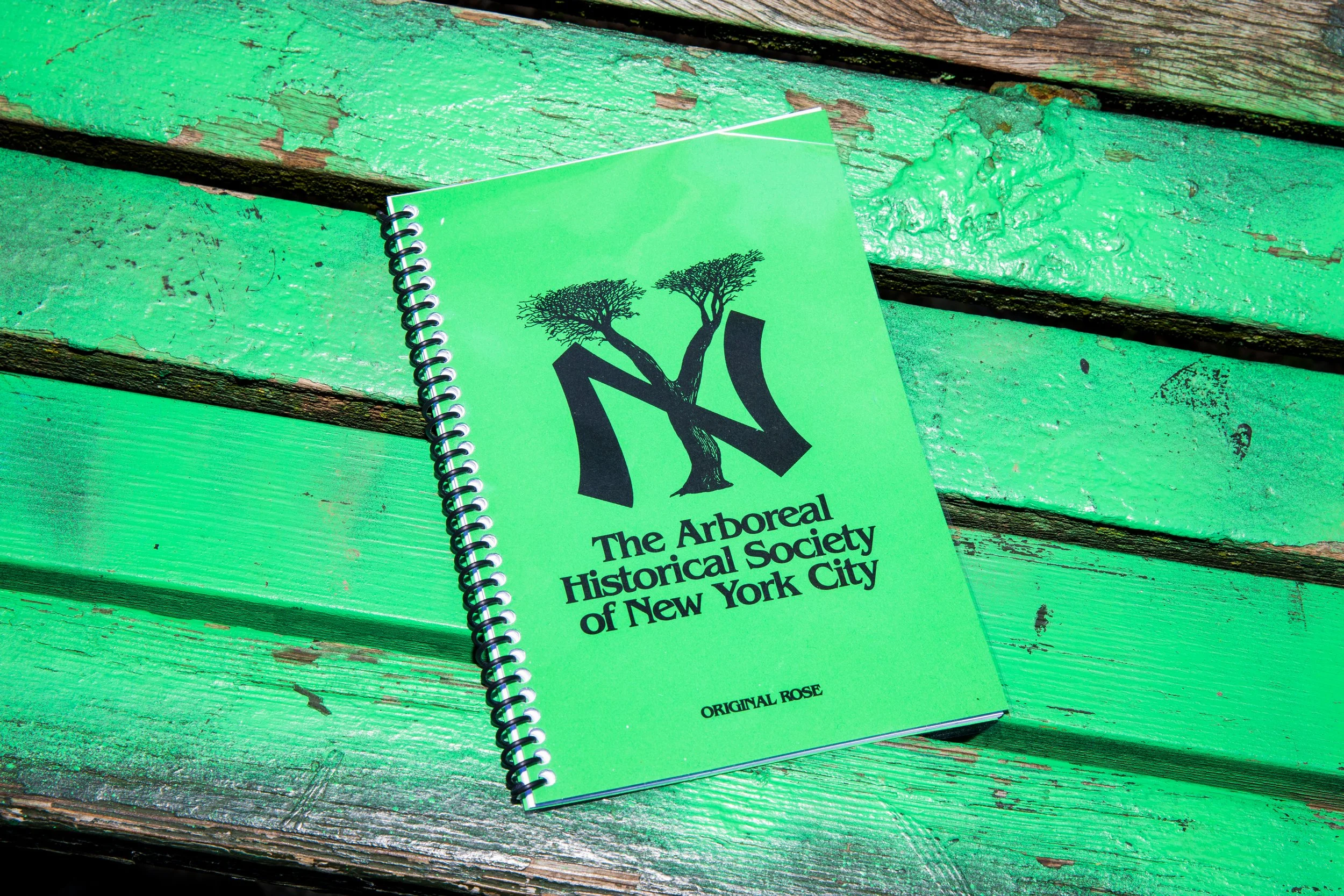
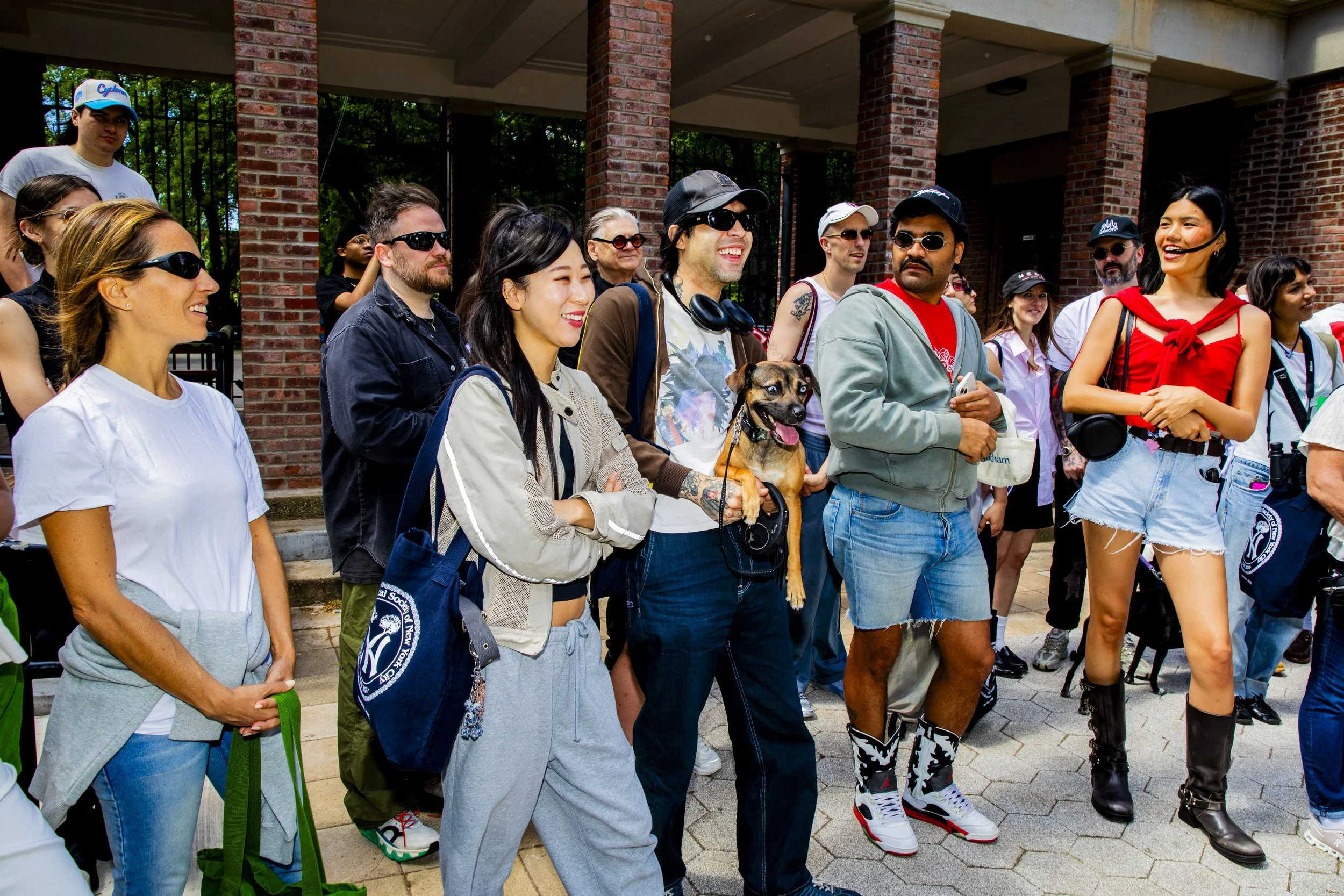
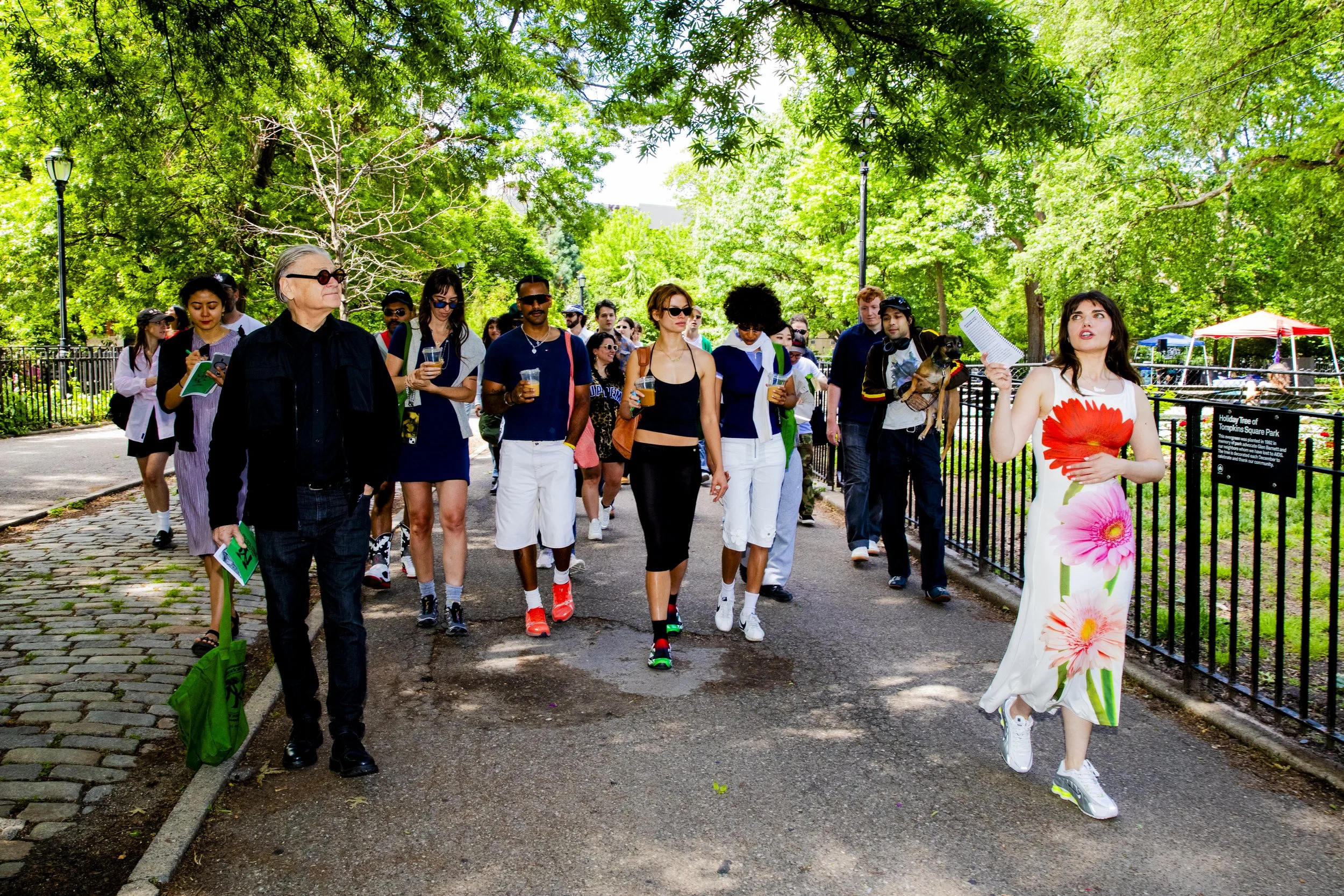
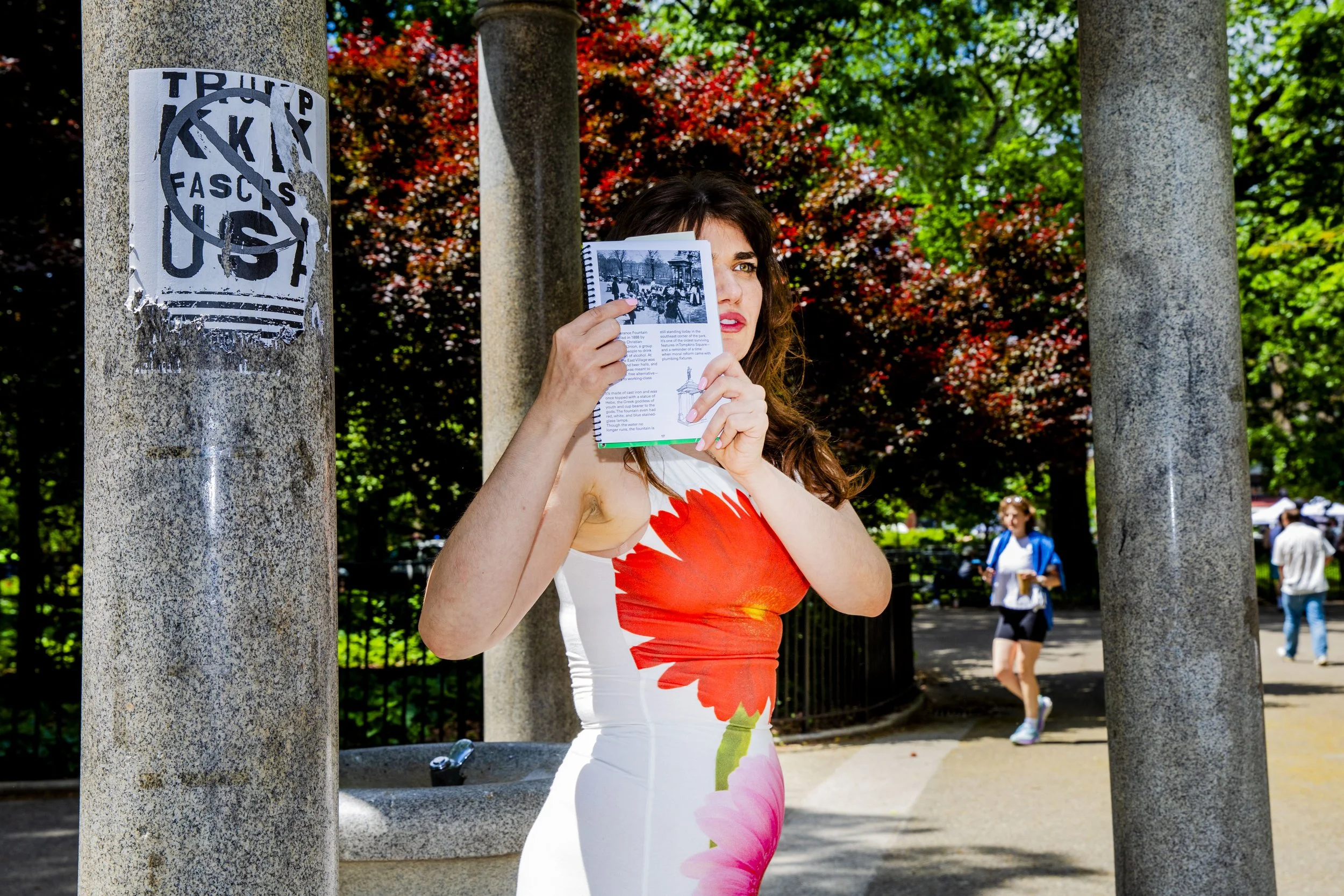
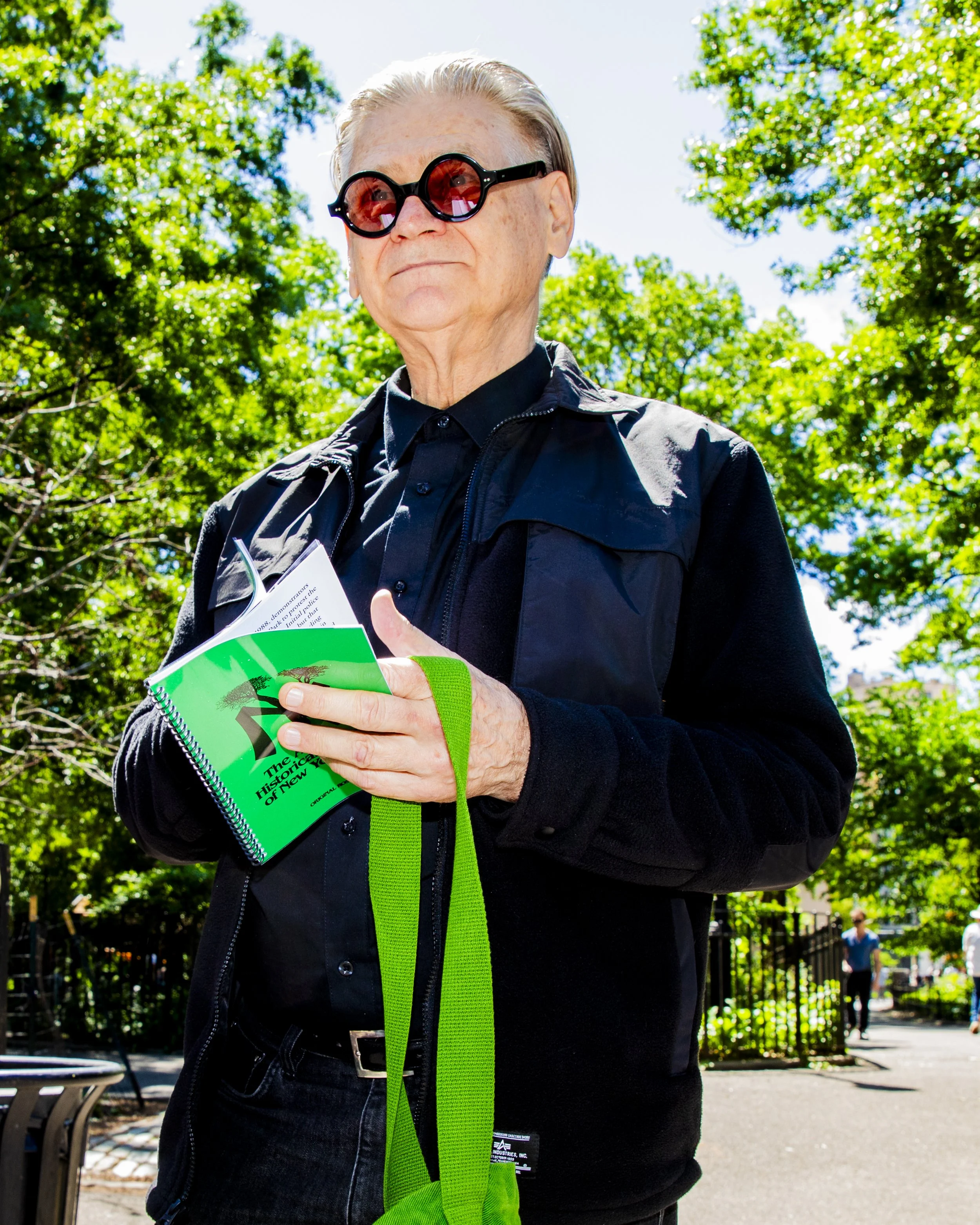
The program combined on-site observation with historical research, tracing planting eras, species longevity, and moments of conflict and occupation that have shaped the park over time. Participants moved through specific locations within the park, using trees as anchors for understanding how public space, ecology, and civic life intersect. A printed zine was produced as a supplement to the walk, compiling research, maps, and archival material for participants to reference beyond the event. The project was supported by sponsors and documented by The New York Times, placing the walk within broader conversations around urban history, public space, and stewardship.
Tompkins
Square Park
Walk
Tracing History
Through NYC Parks
A guided walking tour centered on the botanical, social, and political history of Tompkins Square Park. The walk mapped the park’s tree canopy in real time, highlighting some of the oldest trees in New York City while situating them within broader historical use of the site, including its role as a Civil War encampment, protest ground, and long-standing public commons
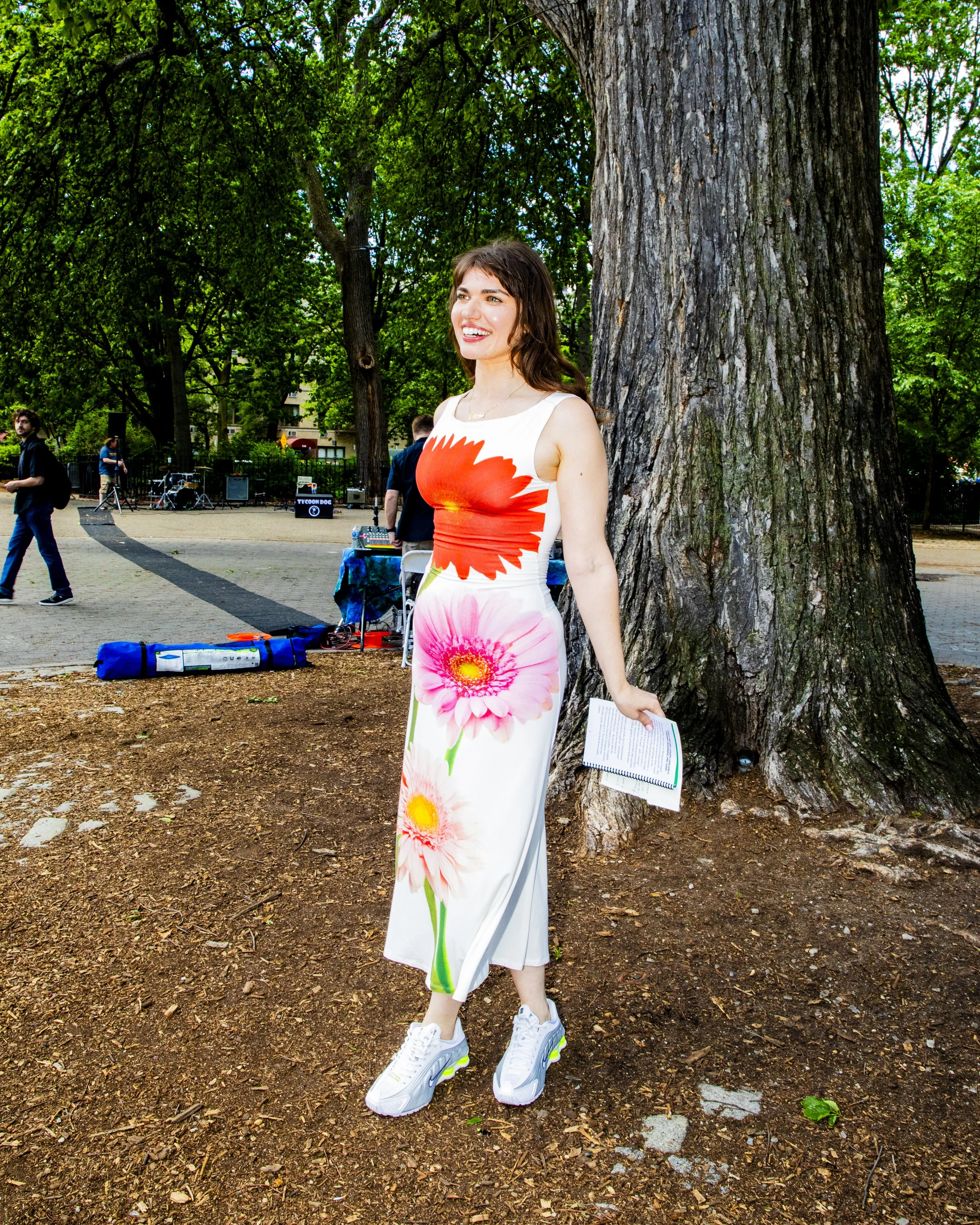
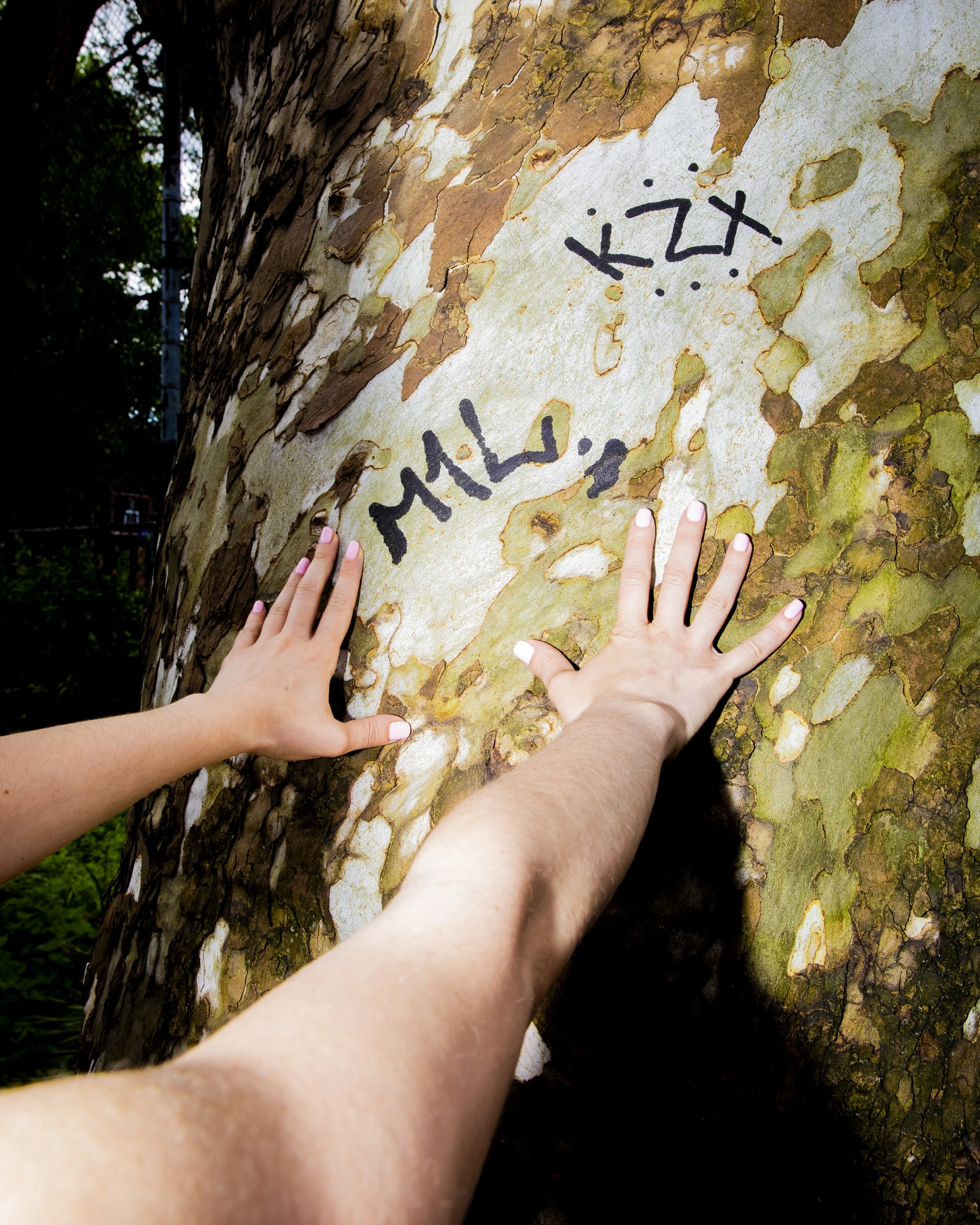
The program combined on-site observation with historical research, tracing planting eras, species longevity, and moments of conflict and occupation that have shaped the park over time. Participants moved through specific locations within the park, using trees as anchors for understanding how public space, ecology, and civic life intersect.
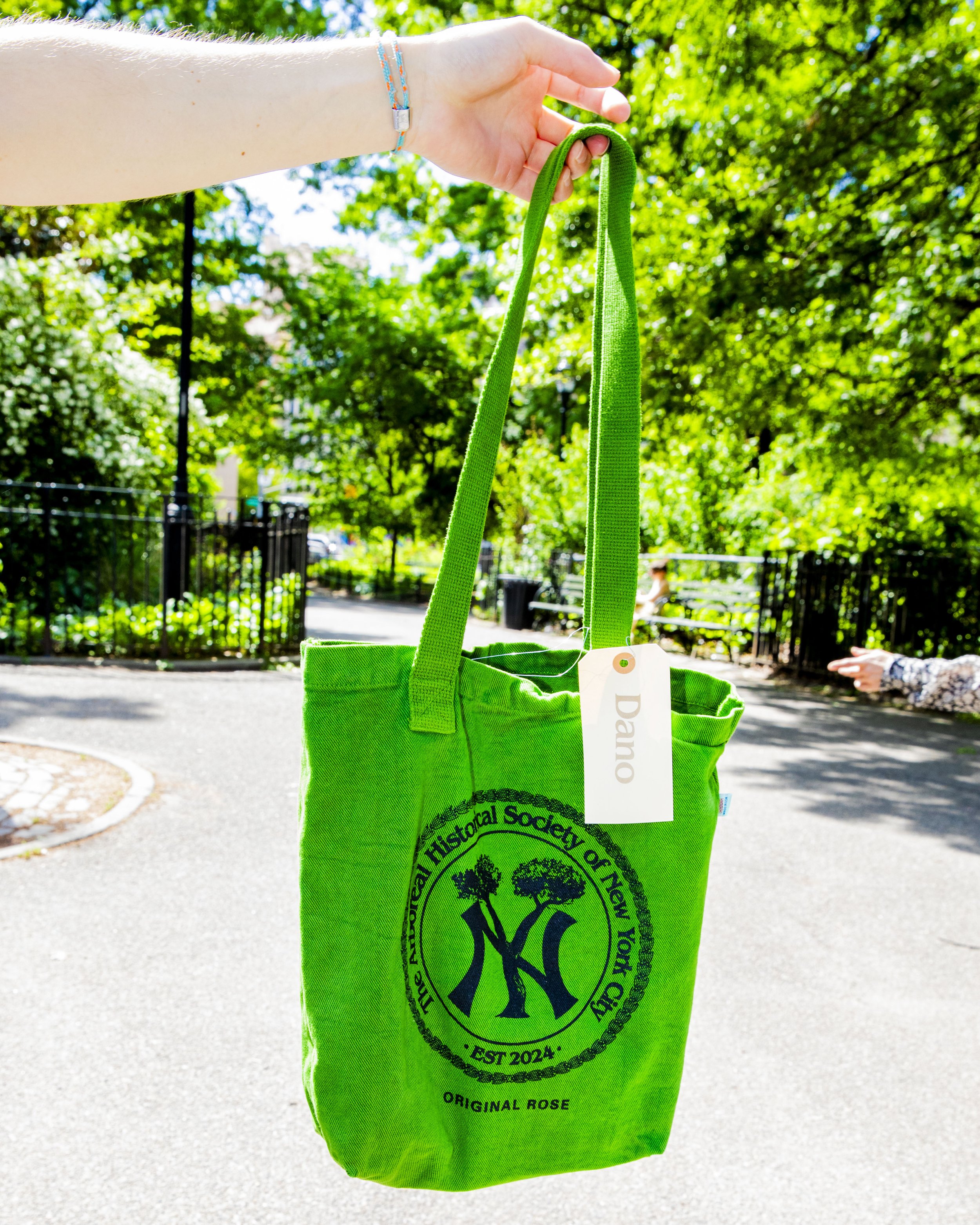
A printed zine was produced as a supplement to the walk, compiling research, maps, and archival material for participants to reference beyond the event. The project was supported by sponsors and documented by The New York Times, placing the walk within broader conversations around urban history, public space, and stewardship.